
Compound
Why do your citations decay while theirs compound?
Keep your citations compounding instead of decaying — with variations, refreshes, and new queries fed back into the loop.
The problem
Why this gap stays open
Most sites are built once and left for six months. In AI search that costs you: citations decay, new prompts appear weekly, and the brands that keep publishing keep getting recommended.
First-mover advantage appears to compound here. Whoever owns the citations in a category tends to keep being recommended, so standing still is losing ground.
How it works
The mechanics
- 01
Test page variations
Each key page runs as a series of variations (v1 to v10), so the version that earns the most citations wins on evidence, not opinion.
- 02
Refresh before decay
We refresh pages before they lose ground, using evidence-backed, per-section suggestions: missing shared terms, unanswered questions, freshness and format gaps.
- 03
Feed new queries back in
New queries from the market flow back into discovery, so the universe you publish against stays current.
- 04
Personalize the conversion flow
Company-level attribution and a conversion flow personalized to the visiting company turn more of that visibility into pipeline.
Definitions
- Content refresh
- Updating an existing page before its rankings and citations decay, based on evidence of what is now winning.
- Page variation
- A version of a page tested against others to see which earns the most citations.
- Company-level attribution
- Connecting visits and conversions back to the company behind them, not just an anonymous session.
What you see
What lands in your dashboard
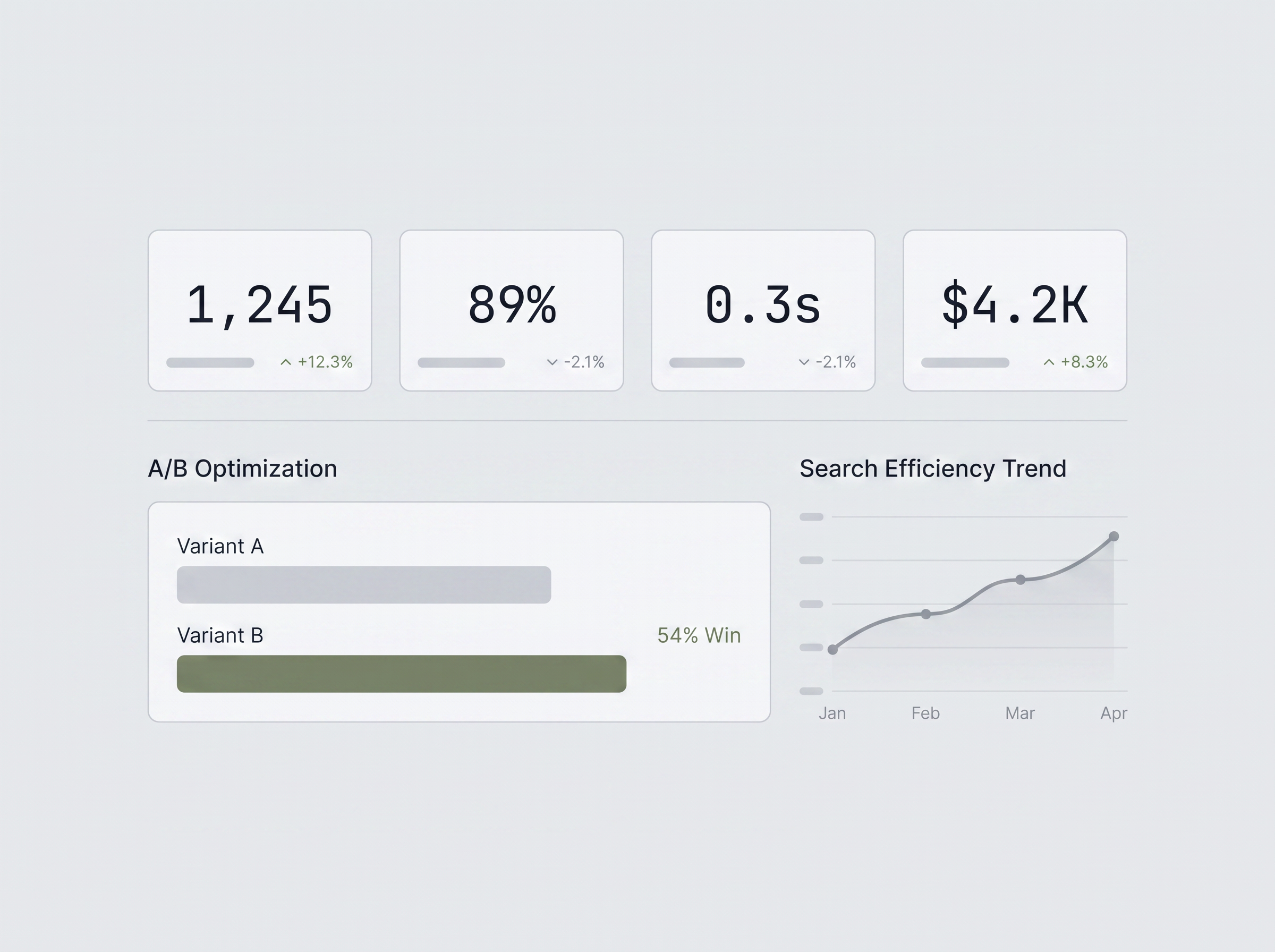
- Page variations and which version is winning citations
- A refresh queue prioritized before decay
- New market queries entering the cycle
- Citation share over time — whether it is compounding or decaying
What we don’t promise
Compounding is a pattern, not a fixed number. Citation effects in AI search often appear faster than classic SEO — sometimes within days of publishing — but steady momentum builds over weeks, and we will not attach a set figure to a date.
The free GEO audit
See exactly where AI engines are ignoring you.
Seven gaps, measured on your own domain — before you pay anything.
FAQ
Questions about this
How fast will we see anything?
Citation effects in AI search tend to show up faster than classic SEO — sometimes within days of a page going live — with steadier momentum over weeks. We report what is actually moving rather than promise a number.
Why not just build the pages once?
Because citations decay and new prompts appear constantly. A system that keeps publishing keeps being recommended; a project that ends stops compounding.
More in Compound